Nature is not generous because it gives endlessly:
It is generous because it gives within limits.
Everything that lives does so inside constraints—of time, energy, space, and capacity. Nothing is exempt. Nothing is offended by this fact.
Only humans struggle with it.
Limits Are Not Moral Judgments
Humans often experience limits as failure.
We speak of being “held back,” “restricted,” or “denied,” as though limits are imposed deliberately, as though reality is withholding something we deserve.
But nature does not punish through limits.
It organizes through them.
Bodies tire.
Resources deplete.
Attention fades.
Systems strain.
These are not judgments.
They are structures.
The Stability of Constraint
Without limits, nothing coherent could exist.
A river without banks is a flood.
Growth without constraint is collapse.
Expansion without boundary is instability.
Nature’s limits create shape. They make persistence possible. They allow life to organize itself rather than dissipate.
What humans often resist is not limitation itself, but the reminder that we are not unlimited.
The Illusion of Exemption
Modern life works hard to create the appearance of exemption.
Technology promises efficiency without fatigue.
Culture celebrates ambition without cost.
Ideology assures us that intention overrides consequence.
But exemption is an illusion.
The body still requires rest.
The mind still requires connection.
The planet still absorbs what we extract and discard.
Nature allows delay.
It does not allow escape.
Limits as Information
Nature’s limits are not barriers meant to be overcome at all costs. They are signals.
Fatigue signals imbalance.
Scarcity signals overreach.
Collapse signals strain beyond tolerance.
When limits are ignored, nature does not argue.
It responds.
The audacity is not that limits exist.
It is that they remain indifferent to our preferences.
Human Resistance to Enough
Much human suffering comes not from limits themselves, but from the refusal to recognize enough.
Enough rest.
Enough growth.
Enough extraction.
Enough speed.
Nature is governed by thresholds. Humans are governed by desire. When desire refuses to learn from threshold, consequences follow—quietly at first, then unmistakably.
Nature does not ask us to want less.
It asks us to notice when enough has been reached.
What Limits Make Possible
Limits do not only constrain.
They protect.
They protect bodies from exhaustion.
They protect ecosystems from runaway extraction.
They protect societies from burning through their own foundations.
Within limits, care becomes necessary.
Within limits, cooperation becomes valuable.
Within limits, responsibility becomes visible.
Nature does not grant freedom through abundance.
It grants freedom through structure.
A Quiet Closing
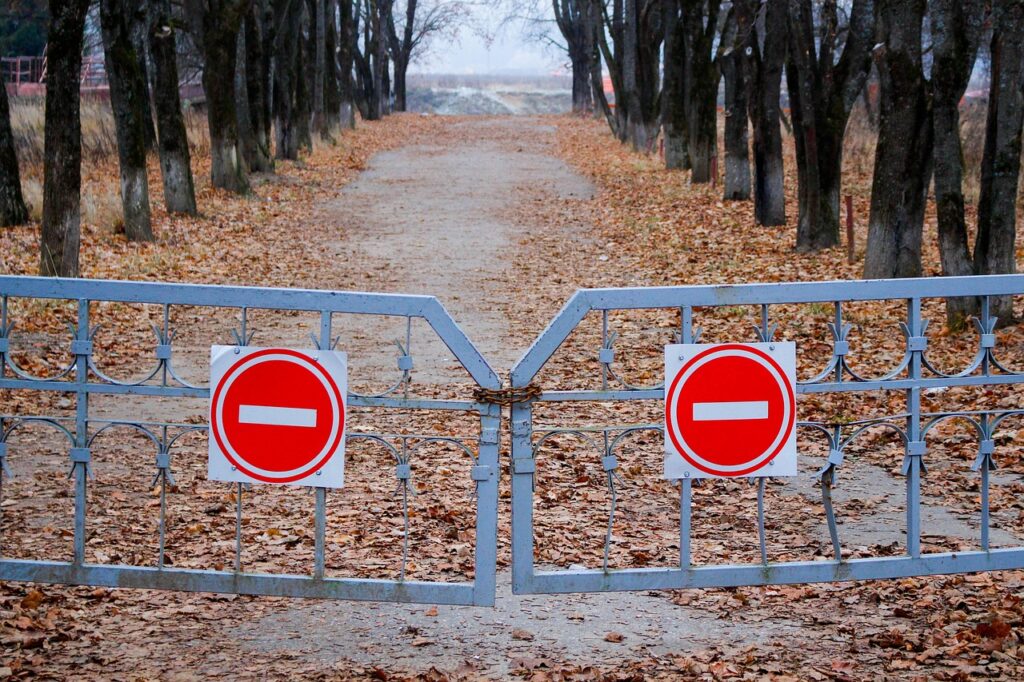
Nature’s audacity is not that it says no.
It is that it says enough—and continues regardless of whether we listen.
Limits are not evidence of hostility.
They are evidence of reality.
To live well is not to overcome limits, but to align with them—to build lives, systems, and cultures that recognize constraint as the condition of continuity.
Nature will continue to set limits.
What remains undecided is how we will respond.
Some forms of wisdom begin when we stop asking for more and start noticing enough.