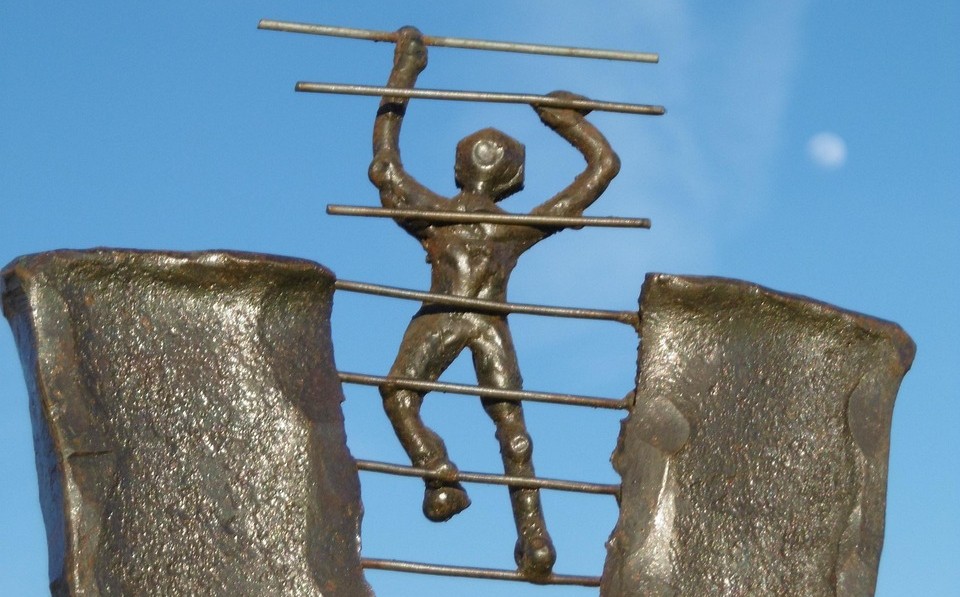
Civilization Is a Social Agreement:
Civilization is often spoken of as an achievement—something built, secured, and inherited. We point to institutions, technologies, laws, and cities as evidence that civilization exists as a stable thing.
Civilism begins with a different observation.
Civilization is not a finished product.
It is an ongoing social agreement.
It exists only as long as humans continue to participate in it—daily, quietly, imperfectly.
What Civilization Actually Is
At its core, civilization is a coordination project.
It emerges wherever humans agree—implicitly or explicitly—to restrain certain impulses in exchange for collective benefit. Roads instead of raids. Laws instead of vendettas. Institutions instead of improvisation.
Civilization is not nature’s default.
It is a human construction layered on top of natural conditions.
This does not make it artificial or fragile by definition. It makes it dependent.
Dependent on trust.
Dependent on participation.
Dependent on maintenance.
The Myth of Permanence
One of civilization’s most persistent illusions is permanence.
Because institutions outlive individuals, they appear stable. Because norms are inherited, they feel inevitable. Because systems function yesterday, we assume they will function tomorrow.
But civilization does not persist automatically.
It decays when:
- trust erodes
- participation narrows
- responsibility is outsourced
- dignity becomes conditional
Collapse is rarely sudden. It is usually the accumulation of small withdrawals—attention withdrawn, care withdrawn, accountability deferred.
Civilization does not fail all at once.
It thins.
Order Without Relationship
Modern societies often confuse order with civilization.
Rules exist. Systems operate. Outcomes are measured. From a distance, everything appears functional.
But order without relationship is not civilization.
It is administration.
Civilization requires more than compliance. It requires relational consent—the felt sense that participation is meaningful, that restraint is mutual, and that dignity is not arbitrarily withdrawn.
When people obey without belonging, systems may persist—but civilization weakens.
The Role of Trust
Trust is civilization’s invisible infrastructure.
It allows strangers to cooperate. It reduces the cost of enforcement. It makes complexity livable.
Trust does not require agreement.
It requires reliability.
People participate in civilization when they believe:
- rules will be applied consistently
- consequences will be proportional
- care will outlast error
- exclusion will not be arbitrary
When trust collapses, people retreat into smaller units—families, factions, identities—seeking certainty where the larger agreement no longer feels credible.
This is not moral failure.
It is social physics.
Civilization and the Human Spirit
Civilization does not only shape behavior.
It shapes inner life.
When systems treat people as replaceable, the human spirit contracts. When dignity is conditional, people armor themselves. When participation feels extractive, disengagement becomes rational.
Civilization flourishes not when people are optimized, but when they are recognized.
This is why efficiency alone cannot sustain a society.
Humans are not interchangeable parts.
Maintenance Is the Work
The most misunderstood aspect of civilization is maintenance.
Maintenance is unglamorous. It does not announce itself. It consists of:
- fair enforcement
- transparent repair
- institutional humility
- ongoing adjustment
Maintenance requires admitting error before crisis demands it. It requires resisting short-term advantage that undermines long-term trust.
Civilization survives not because it is strong, but because it is tended.
A Civilist Understanding
From a Civilist perspective, civilization is neither sacred nor disposable.
It is a shared project—provisional, revisable, and dependent on continued care.
Civilism does not ask whether a civilization is perfect.
It asks whether participation remains humane.
When people believe the agreement still holds, they show up.
When they do not, no system can compensate indefinitely.
A Quiet Closing
Civilization does not announce when it is weakening.
It reveals itself through how people treat one another when no one is watching, how institutions respond to error, and how power remains connected to consequence.
Civilization is not something we stand on.
It is something we hold together.
And like all agreements, it lasts only as long as care remains mutual.
Some forms of social strength begin with tending what already exists.