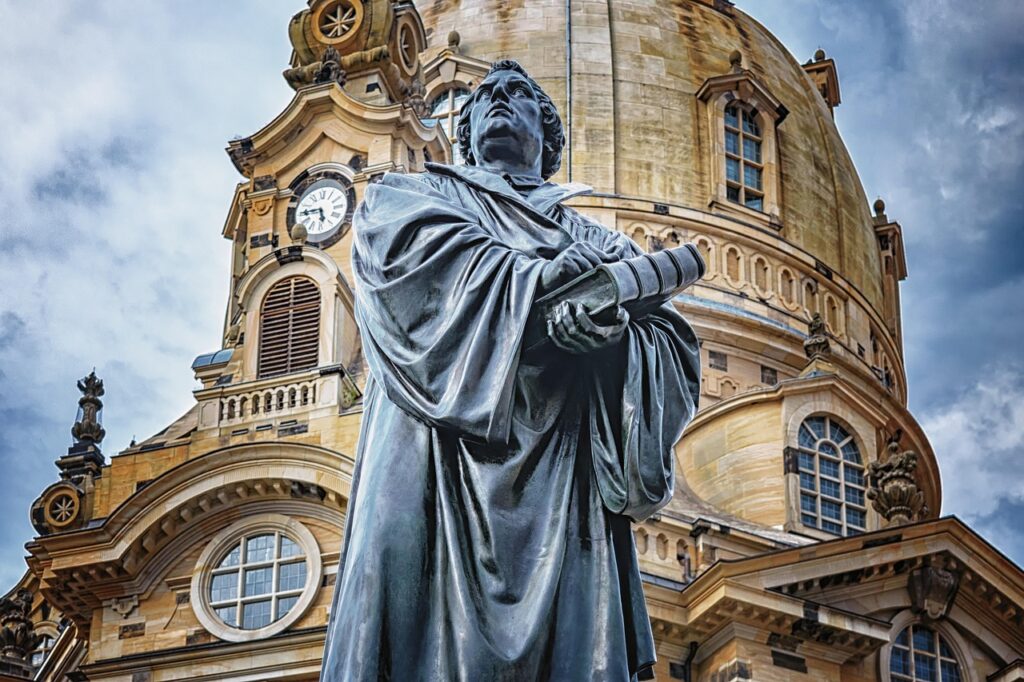
Theses are often mistaken for declarations of authority:
They sound final.
They appear definitive.
They suggest certainty.
Civilism uses theses differently.
Civilist theses are not commandments to obey or conclusions to defend. They are anchors—points of reference meant to keep thought, action, and interpretation aligned with reality rather than drifting into abstraction, ideology, or habit.
Why Civilism Uses Theses at All
Civilism does not claim novelty for its own sake. Most of what it observes about human life is already known—biologically, socially, and psychologically.
What is often missing is coherence.
Modern life fragments understanding across disciplines, identities, institutions, and narratives. Theses provide a way to hold foundational observations together without reducing them to slogans or systems.
They answer a simple question:
What must remain true for our thinking to stay grounded?
Theses as Orientation Points
Civilist theses function as orientation points, not destinations.
They are meant to be returned to when:
- belief hardens into certainty
- practice drifts into performance
- institutions lose contact with lived reality
- moral language outruns consequence
A thesis does not tell you what to think next.
It tells you where to check yourself.
If thought moves far from reality, dignity, or human limitation, a thesis brings it back into view.
The Difference Between Theses and Doctrine
Doctrine demands adherence.
It requires agreement, loyalty, and defense. Once established, doctrine resists revision because identity becomes attached to its preservation.
Civilist theses do not function this way.
They are:
- provisional rather than sacred
- descriptive before prescriptive
- accountable to consequence
A thesis may be refined, clarified, or even replaced if reality demands it. Civilism treats this not as failure, but as fidelity to its starting point.
Why Formal Language Matters
The language of theses is intentionally restrained.
It avoids:
- emotional appeal
- metaphorical excess
- moral dramatization
This restraint is not coldness.
It is discipline.
Formal language slows interpretation. It discourages projection and invites careful reading. It keeps the thesis from being mistaken for inspiration or instruction.
A thesis is not meant to move you.
It is meant to steady you.
Theses and the Human Spirit
While theses may sound abstract, their concern is deeply human.
They exist because:
- the human spirit is vulnerable to conditions
- social life amplifies harm as easily as care
- belief and imagination require restraint to remain humane
Theses provide guardrails—not for emotion, but for meaning-making. They remind us where harm begins when abstractions are allowed to outrun lived reality.
How Theses Are Meant to Be Used
Civilist theses are not meant to be recited.
They are meant to be consulted.
They are used:
- in moments of disagreement
- in institutional design
- in ethical tension
- in personal reflection
They ask:
- Is this aligned with reality?
- Does this preserve dignity?
- Are consequences being acknowledged?
- Is meaning being placed where it belongs?
If the answer drifts too far from these questions, the thesis has done its work.
Why Theses Remain Few
Civilism does not aim to exhaust reality.
Too many theses become system-building. Too few become vague. The number matters less than the discipline behind them.
Each thesis must earn its place by naming something irreducible—something that, if ignored, reliably leads to distortion or harm.
Theses are not comprehensive.
They are foundational.
A Quiet Closing
Civilism does not use theses to close inquiry.
It uses them to keep inquiry honest.
They are not shields against disagreement, nor tools for persuasion. They are reminders—quiet, firm, and revisitable—of what reality has already shown us about being human together.
Theses anchor thought so that freedom does not become drift, and meaning does not become exemption.
They exist not to be defended,
but to be returned to.
Some foundations matter most when they are used quietly.