Imagination is often treated with suspicion:
It is blamed for illusion, escapism, and distortion—something to be restrained in favor of reason and fact. At other times, it is romanticized as inspiration or creativity, detached from consequence.
Civilism approaches imagination more carefully.
Imagination is not an escape from reality.
It is how humans inhabit it.
Why Imagination Is Necessary
Humans do not live only in what is immediately present.
We live in:
- anticipated futures
- remembered pasts
- shared expectations
- unseen causes and consequences
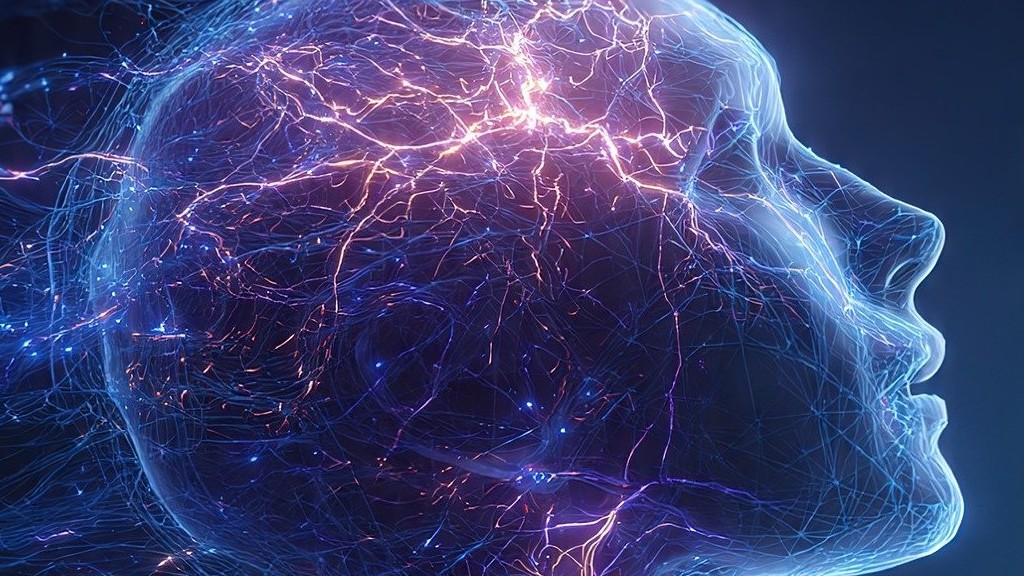
Imagination allows us to move through time mentally—to plan, to warn, to hope, to coordinate action before outcomes are certain.
Without imagination:
- cooperation collapses
- responsibility shortens
- care narrows to the immediate
Imagination is not opposed to realism.
It is a condition of it.
Imagination and Belief
Belief relies on imagination to function.
To believe is to hold a picture of how the world works—what matters, what endures, what can be trusted. These pictures are rarely derived from evidence alone. They are assembled from story, symbol, memory, and shared meaning.
Religion, ideology, and moral systems all depend on imagination to make abstract ideas felt.
This does not make belief false.
It makes belief human.
The danger appears only when imaginative structures are mistaken for literal reality rather than interpretive frameworks.
When Imagination Becomes Untethered
Imagination becomes destabilizing when it detaches from consequence.
When imagined futures justify present harm.
When symbolic purity overrides lived experience.
When narratives become immune to correction.
Untethered imagination can:
- simplify complexity into certainty
- turn difference into threat
- excuse cruelty in the name of meaning
This is not imagination’s failure.
It is imagination without restraint.
Civilism does not seek to weaken imagination.
It seeks to anchor it.
Imagination as Social Force
Imagination does not operate only within individuals.
Shared imagination shapes:
- national identity
- moral boundaries
- economic expectations
- collective fear and hope
Societies live inside the stories they tell themselves.
When these stories remain flexible, societies adapt. When they harden, imagination becomes enforcement rather than exploration.
Civilism understands imagination as a collective force—one that must remain accountable to lived reality if it is to remain humane.
The Role of Limits
Imagination flourishes within limits.
Just as creativity requires constraint, imagination requires:
- contact with consequence
- openness to revision
- humility before scale
Nature, time, and human fragility all serve as grounding forces. They prevent imagination from drifting into exemption—into the belief that meaning excuses impact.
Limits do not stifle imagination.
They give it shape.
A Civilist Understanding
From a Civilist perspective, imagination is neither enemy nor authority.
Civilism asks:
- What does this imagined world enable?
- Who benefits from it?
- Who bears its cost?
- Does it remain responsive to reality?
Imagination becomes humane when it expands possibility without erasing consequence.
Belief becomes humane when imagination serves care rather than dominance.
Meaning Without Illusion
One of the deepest fears surrounding imagination is that without illusion, life becomes flat.
Civilism rejects this fear.
Meaning does not require fantasy.
It requires relationship, continuity, and care.
Imagination can enrich life without exempting it from reality. It can inspire without excusing harm. It can bind people together without demanding uniformity.
A Quiet Closing
Imagination will always shape how humans see the world.
The question is not whether we imagine,
but whether imagination remains grounded enough to remain humane.
When imagination listens to consequence, belief steadies.
When imagination refuses it, belief hardens.
Civilism does not ask imagination to disappear.
It asks it to remember what it is for.
Some forms of meaning deepen when imagination remains answerable to reality.