The Human Spirit Is Not Supernatural:
The human spirit is often treated as something that arrives from elsewhere—bestowed, infused, or granted by forces beyond the natural world. Civilism takes a quieter, more demanding position.
The human spirit is not supernatural.
It does not descend into us.
It emerges through us.
This distinction matters—not because mystery is unwelcome, but because misunderstanding has consequences.
What “Supernatural” Assumes
To call the human spirit supernatural is to suggest that it exists outside the conditions that shape human life. It implies exemption from biology, society, environment, and history.
But nothing about the human experience supports this exemption.
Our capacity for empathy develops through attachment.
Our sense of meaning arises through narrative and relationship.
Our moral instincts are shaped by cooperation and consequence.
Our imagination expands within language, culture, and memory.
The human spirit does not float above these processes.
It is formed by them.
What We Lose When We Make Spirit Supernatural
When the human spirit is framed as supernatural, responsibility quietly shifts away from human hands.
Suffering becomes mysterious instead of preventable.
Cruelty becomes moral failure instead of social failure.
Dignity becomes conditional instead of structural.
If the spirit comes from elsewhere, then harm is easier to excuse.
If it belongs to nature, then conditions matter.
Civilism insists on the latter.
Emergence, Not Enchantment
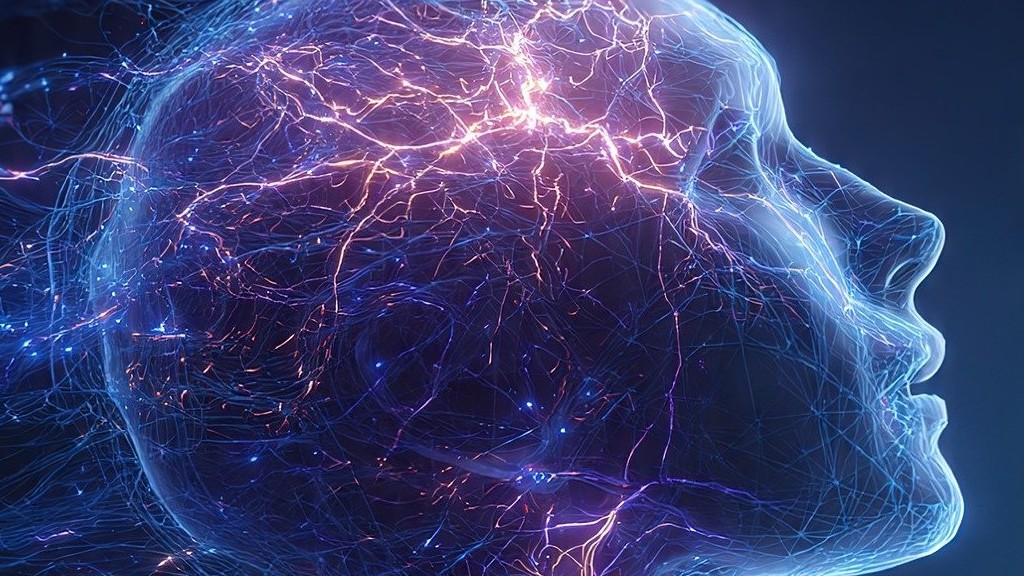
The human spirit is best understood as emergent—arising from the interaction of complex systems rather than imposed from above.
Just as consciousness emerges from neural complexity, the human spirit emerges from:
- emotional depth
- social interdependence
- imagination
- memory
- vulnerability
Emergence does not cheapen experience.
It explains how depth is possible at all.
A sunset is not diminished by atmospheric physics.
A human life is not diminished by understanding its roots.
Meaning Without Escape
One reason people resist natural explanations of the human spirit is fear—fear that meaning will evaporate once mystery is removed.
But meaning does not come from mystery.
It comes from relationship.
We care because others matter.
We grieve because bonds are real.
We imagine because futures are uncertain.
We act because consequences exist.
Nothing supernatural is required for this to be profound.
In fact, grounding the human spirit in reality makes meaning harder to evade—and harder to outsource.
The Ethical Consequence
If the human spirit is natural, then it is vulnerable to conditions.
This makes ethics unavoidable.
It means:
- societies can damage inner life
- institutions can erode dignity
- systems can fracture belonging
- neglect can wound just as deeply as violence
Civilism does not locate harm in moral failure alone.
It locates harm in environments that deny human needs.
Understanding the human spirit as natural shifts ethics from belief to responsibility.
Why This Distinction Matters Now
In a world increasingly shaped by abstraction—algorithms, metrics, identities, ideologies—it becomes easy to forget that human inner life responds to how it is treated.
The language of the supernatural can comfort.
The language of the natural can protect.
Civilism chooses protection.
Not by sanctifying the human spirit, but by anchoring it where responsibility cannot be avoided.
A Quiet Closing
The human spirit does not need to be lifted out of the world to be meaningful.
It needs to be understood within it.
Because when we stop treating the human spirit as something granted from elsewhere, we begin to see how carefully it must be held—by families, by cultures, by systems, and by one another.
Nothing sacred is lost in this understanding.
Only excuses.
Some truths become steadier when we stop placing them beyond reach.